Most people wash their bed sheets regularly — but very few think about what’s underneath them.
Your mattress absorbs sweat, moisture, skin cells, allergens, and everyday wear night after night. Over time, this build-up can affect hygiene, comfort, and how well your mattress supports your body.
At The Sleep Shop, we regularly meet customers trying to freshen up an older mattress because they’re waking with aches, allergies, or restless sleep.
Here’s how to clean a mattress properly, what actually works, what to avoid — and when cleaning alone is no longer the best solution.
Why Mattress Hygiene Matters More Than You Think
Even with clean bedding, mattresses naturally collect:
-
Sweat and body moisture
-
Dead skin cells
-
Dust mites and allergens
-
Spills and stains over time
This is completely normal — but without proper care, build-up can lead to:
-
Allergy flare-ups
-
Odours
-
Reduced breathability
-
Poor sleep comfort
Pillow hygiene matters too
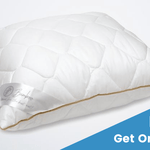
Mattress hygiene doesn’t stop at your mattress. Pillows absorb even more sweat, oils, and moisture than most people realise and are often replaced far less frequently.
If you’ve ever noticed yellow stains on your pillow, it’s usually a sign of moisture and natural body oils building up over time. We explain this in detail in our guide on why pillows turn yellow and when it’s time to replace yours:
👉 https://thesleepshop.ie/blogs/blog/why-do-pillows-turn-yellow-and-when-it-s-time-to-replace-yours
How Often Should You Clean a Mattress?
A realistic and effective routine is:
-
Light clean: every 3–6 months
-
Mattress protector washed: every 1–2 months
-
Deep clean: as needed (spills, illness, accidents)
Mattresses aren’t designed to be washed like bedding, so gentle, preventative care is far more effective than aggressive cleaning.
Step-by-Step: How to Clean a Mattress Safely
1. Strip the Bed Completely
Remove all bedding, including protectors, and wash according to care instructions.
2. Vacuum the Mattress
Using an upholstery attachment, gently vacuum:
-
The full surface
-
Seams and edges
-
Stitched areas
This removes dust, skin cells, and allergens.
3. Spot Clean Stains (Never Soak)
For light stains:
-
Use a mild detergent diluted with water
-
Dab gently with a clean cloth
-
Never pour water directly onto the mattress
Over-wetting is one of the most common causes of mattress damage.
4. Neutralise Odours (Optional)
A light sprinkling of bicarbonate of soda can help absorb odours.
-
Leave for a few hours
-
Vacuum thoroughly
This improves freshness but does not restore support or structure.
5. Allow the Mattress to Dry Fully
This step is critical.
-
Open windows
-
Allow airflow
-
Never remake the bed while damp
Trapped moisture leads to odours and hygiene problems.
What You Should Never Do
From years of experience, these are the most damaging mistakes we see:
-
❌ Steam cleaning foam or pocket-sprung mattresses
-
❌ Using excessive water
-
❌ Harsh chemicals or bleach
-
❌ Covering a mattress before it’s fully dry
These methods can permanently damage internal materials.
Common Mattress Stains — What Cleaning Can (and Can’t) Fix
Sweat Stains
Cleaning may improve appearance, but hygiene and support may still be compromised.
Spills or Accidents
Spot cleaning helps, but odours often return if moisture penetrates deeply.
General Discolouration
Usually cosmetic — cleaning does not restore comfort or structure.
When Cleaning Isn’t Enough
Cleaning cannot fix:
-
Sagging support
-
Loss of spinal alignment
-
Internal material breakdown
-
Persistent odours returning after cleaning
If your mattress is:
-
Over 7–8 years old
-
Causing back, hip, or shoulder pain
-
Leaving you more tired in the morning
…then hygiene isn’t the only issue — support is.
The Best Way to Keep a Mattress Clean Long-Term
The most effective mattress care happens before problems start.
We always recommend:
-
Using a breathable mattress protector
-
Washing protectors regularly
-
Allowing mattresses to air occasionally
-
Avoiding excess moisture
For added peace of mind — especially in homes with children, pets, or allergy concerns — a Bed Protector provides an additional waterproof layer while remaining breathable and comfortable.
The Bed Protector helps prevent spills, sweat, and allergens from reaching your mattress, significantly extending its lifespan without affecting comfort.
👉 https://thesleepshop.ie/products/the-bed-protector
Expert Advice You Can Trust
At The Sleep Shop, we deal with real customers every day who are trying to improve sleep quality — not just clean surfaces.
Sometimes cleaning helps.
Sometimes replacement is the healthier option.
If you’re unsure, our team is happy to offer honest, expert advice, whether you’re buying online, over the phone, or visiting us in store.
📍 The Sleep Shop
Ankers Bower, Dublin Road
Athlone, Co. Westmeath
N37 E762
Good sleep starts with hygiene — but great sleep starts with the right support.
 David O shea